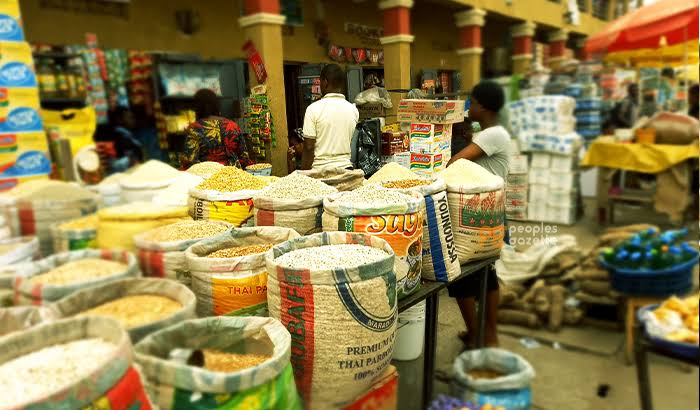
Nigerians are facing high economic pressure as food inflation continues to rise alongside surging fuel and energy costs, leading to worsened cost of living across the country.
The latest development comes as President Bola Ahmed Tinubu embarks on a visit to the United Kingdom on Tuesday at the invitation of King Charles III, amid growing concerns over economic hardship at home.
Data released on Monday by the National Bureau of Statistics (NBS) shows that food inflation increased to 12.12 percent in February 2026, up from 8.89 percent recorded in January. The sharp rise highlights persistent pressure on the prices of essential food items.
According to the NBS, the increase was driven by higher average prices of key staples including beans, carrots, okazi leaves, cassava tubers, crayfish, millet flour, yam flour, snails, and dried ogbono, as well as cowpeas.
Despite the surge in food prices, Nigeria’s headline inflation rate recorded a marginal decline, easing to 15.06 percent in February from 15.10 percent in January. The slight drop, however, offers little relief to consumers grappling with rising daily expenses.
Analysis of the data shows that inflationary pressure intensified on a month-on-month basis. The inflation rate stood at 2.01 percent in February, a notable increase compared to the -2.88 percent recorded in January, indicating a faster pace of price increases within the period.
The continued rise in food and fuel costs has compounded financial strain on households, with many Nigerians forced to adjust spending and consumption patterns to cope with the economic hardship.
Analysts warn that without targeted interventions to stabilise food supply and energy prices, the cost-of-living crisis could persist, placing additional pressure on millions of households nationwide leading to increased poverty rate and unemployment which could lead to rise in crime rate