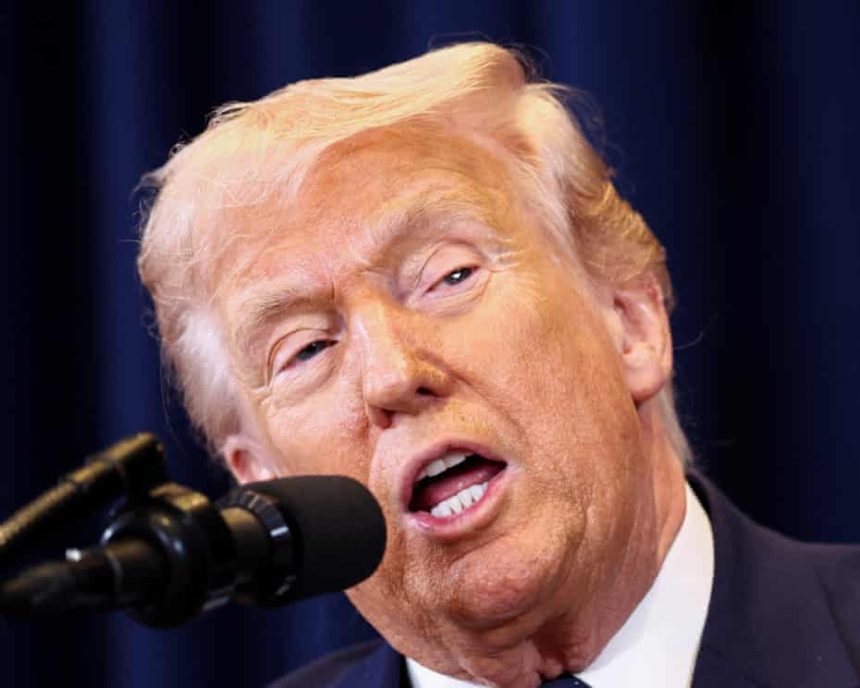
Global oil prices fell sharply while stock markets rebounded after U.S. President Donald Trump suggested that the conflict involving the United States, Israel and Iran could come to an end in the near future.
Oil markets had surged earlier in the week amid escalating tensions in the Middle East. The international benchmark, Brent crude, climbed to around $119.50 per barrel on Monday—its highest level in four years—fuelled by fears that the conflict could disrupt global energy supplies.
However, prices later dropped significantly after Trump indicated in an interview with CBS News that the war with Iran was “very complete, pretty much.” Following the comments, Brent crude fell to about $91.70 per barrel, easing concerns among investors about prolonged supply disruptions.
The shift in sentiment lifted stock markets worldwide. In the United Kingdom, the FTSE 100 opened about 1.4% higher, while the pan-European Stoxx Europe 600 index gained roughly 1.5% in early trading.
Asian markets also rallied overnight, with Japan’s Nikkei 225 rising 2.5% and South Korea’s Kospi jumping about 6%. Hong Kong’s Hang Seng Index closed 2% higher as investors reacted positively to signs that the conflict might de-escalate.
Despite the market rebound, Trump warned that the situation remains volatile. He said the United States would respond forcefully if Iran attempts to disrupt shipping through the Strait of Hormuz, a critical maritime route through which roughly one-fifth of global oil and gas shipments pass.
Iranian authorities also issued strong warnings, with state media reporting that Tehran could halt oil exports from the region if U.S. and Israeli military actions continue. The threats have raised concerns about potential long-term disruptions to global energy flows.
Meanwhile, French President Emmanuel Macron indicated that several countries may deploy naval vessels to escort oil tankers and commercial ships through the strategic waterway once the most intense phase of the conflict subsides.
Although oil prices have retreated from Monday’s peak levels, they remain roughly 25% higher than they were before the conflict began, leaving governments and markets on edge as the geopolitical situation continues to unfold.