Iran has intensified its campaign targeting energy infrastructure and commercial shipping in the Middle East, as global oil prices climbed above $100 per barrel, raising fears of major disruptions to international energy markets.
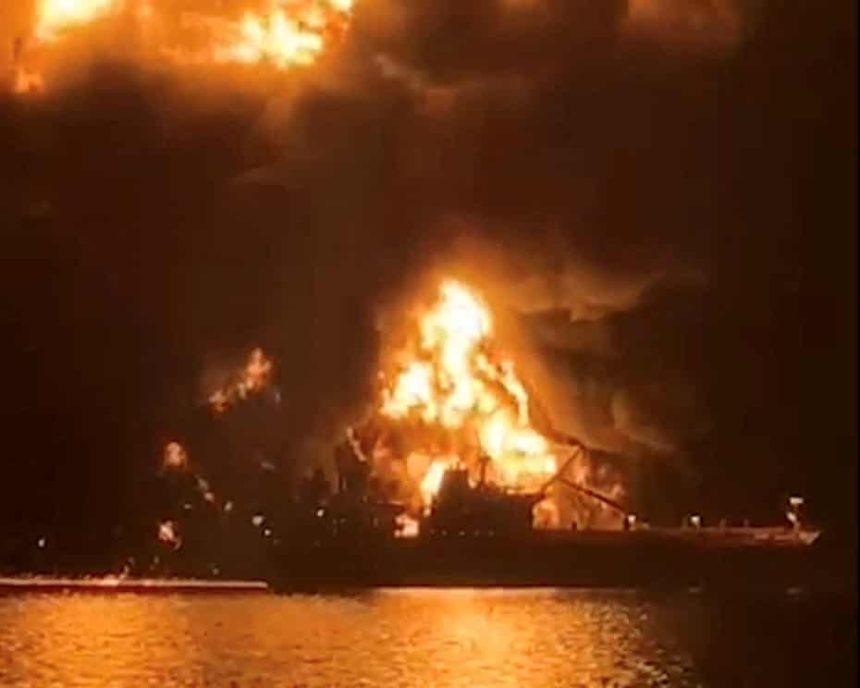
According to maritime and port officials, two fuel tankers carrying Iraqi oil products were set ablaze in Iraqi territorial waters after being struck by explosive-laden boats believed to be linked to Iran. The attack left at least one crew member dead while emergency teams evacuated other crew members from the burning vessels.
Authorities said the incident followed additional strikes on merchant ships in the Gulf, where projectiles hit at least three vessels earlier in the day. The attacks mark a significant escalation in maritime hostilities in the region and have heightened concerns over the safety of vital shipping routes.
The conflict has severely disrupted shipping traffic in the Strait of Hormuz, a strategic waterway through which roughly 20% of the world’s oil supply passes. Security fears and attacks on vessels have slowed maritime movement in the area, affecting the flow of crude oil from major Gulf producers.
Energy markets reacted quickly to the growing instability. Benchmark crude prices surged sharply, with Brent crude rising above $100 per barrel, the highest level seen since 2022, as traders priced in the risk of prolonged supply disruptions.
Analysts warn that continued attacks on shipping and energy facilities could further tighten global oil supplies and intensify volatility in energy markets. Some experts say prices could rise even higher if the conflict continues to threaten tanker routes in the Gulf.
The escalating tensions come amid a broader regional conflict that has already seen drone and missile strikes targeting infrastructure and military positions across several Middle Eastern countries. International observers say the situation could have far-reaching consequences for global energy security if hostilities persist.