 Reports suggest speculation had been growing that some players might attempt to seek asylum after they were reportedly labelled “traitors” for refusing to sing Iran’s national anthem before their opening match in the tournament.
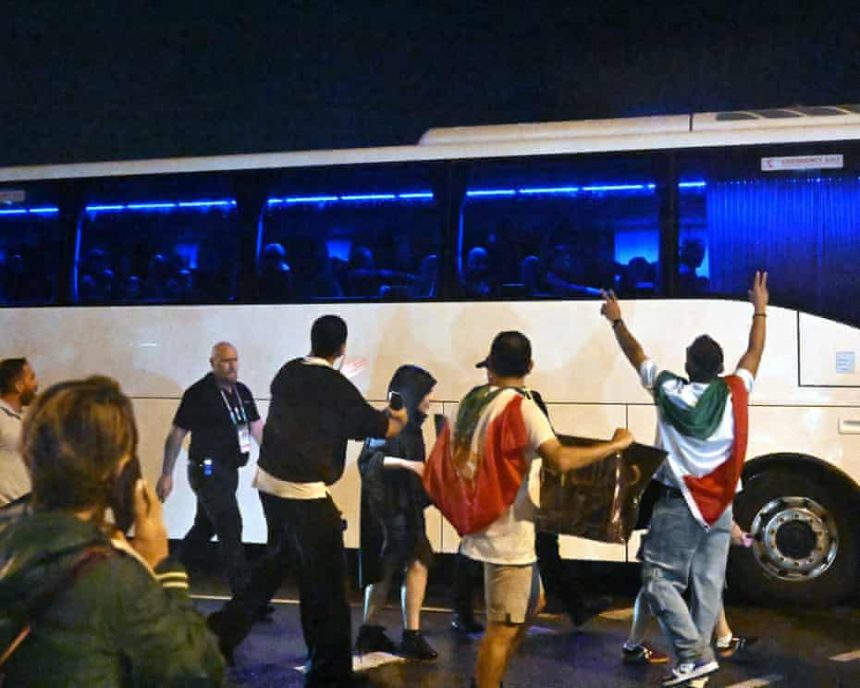
Tensions escalated on Monday at the team’s hotel on the Gold Coast in Queensland. Anti-government protesters gathered outside as the squad prepared to board a bus for the airport for their return flight to Iran.
Later that evening, Australian media reported that five players had managed to evade team minders and were taken into protective custody by the Australian Federal Police.
Sources within the Iranian-Australian community said the players were receiving support from authorities. Human rights activist Hadi Karimi, based in Brisbane, told local media the women had been moved to a secure location by police.
Witnesses described “chaotic scenes” at the team’s hotel as officials searched the building for the missing players. The incident came shortly after Iran’s 2–0 defeat to the Philippines women’s national football team in Robina, a result that ended the team’s participation in the tournament.
Media reports also indicated that Tony Burke, Australia’s minister for home affairs, travelled to Queensland on Monday to speak with the players. A formal statement from the government is expected.
Meanwhile, James Cockayne, New South Wales’ anti-slavery commissioner, wrote to Krissy Barrett, the commissioner of the Australian Federal Police, urging an immediate investigation. He raised concerns that attempts to pressure the players to leave Australia could amount to “exit trafficking” under Australian law.
Protests had also taken place outside the stadium following Sunday’s match, where demonstrators briefly blocked the team bus and signalled to the players using the internationally recognised hand gesture for help. Some players appeared to acknowledge the gesture from inside the vehicle.