Fuel prices across Nigeria has a high increasing rate, deepening economic pressure on households already facing increasing food costs and inflation.
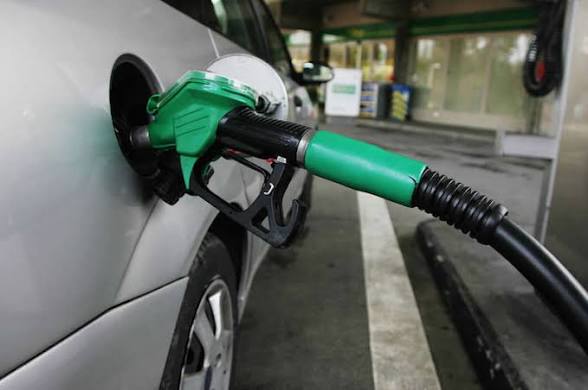
The latest spike in fuel prices coincided with a rise in food inflation recorded in February, as petrol prices climbed significantly nationwide. Premium Motor Spirit (PMS) rose to as high as ₦1,330 per litre in many parts of the country, up from earlier rates ranging between ₦875 and ₦900 per litre.
The surge follows escalating geopolitical tensions involving the conflict between Iran, the United States, and Israel, which intensified on February 28, 2026. The development pushed global crude oil prices above $100 per barrel, triggering a ripple effect on domestic fuel pricing.
In response to rising crude costs, Dangote Refinery recently increased its gantry price of petrol to ₦1,175 per litre, marking its fourth upward review within a short period. The adjustment has had an immediate impact on retail fuel prices across the country.
Following the increase, MRS filling stations raised pump prices by about ₦100 per litre to around ₦1,267 in Abuja, while Optima Filling Stations implemented a ₦50 increase, bringing prices to approximately ₦1,270 per litre in the capital.
Other marketers, including Nigerian National Petroleum Company Limited (NNPCL) retail outlets, as well as Raniol, AA Rano, Empire Energy, NIPCO, and Shema, are now selling petrol within a price range of ₦1,261 to ₦1,330 per litre, depending on the geographical location.
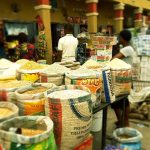
The continued rise in fuel prices has led to a noticeable increase in the prices of foodstuffs in the market and transportation fares nationwide over the past two weeks, as operators adjust to higher operating costs.
Economic analysts warn that the sustained increase in fuel prices could further drive up the cost of goods and services, worsening the cost-of-living crisis for many Nigerians